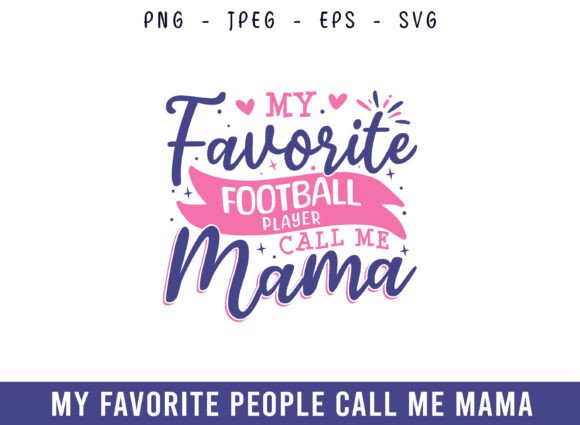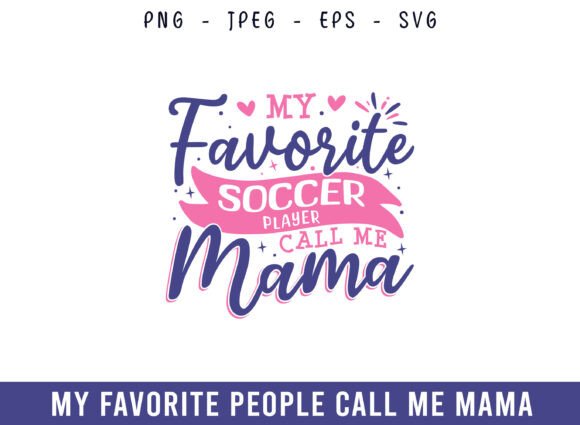
My Favorite Soccer Player Call Me Mama
A Designer’s First Look: Playful, Personal, and Purpose-Built
When I opened My Favorite Soccer Player Call Me Mama for the first time, I didn’t see just another Mom SVG — I saw a design with clear emotional intent. It’s warm but spirited, tender but grounded in real-life family moments. The soccer motif isn’t generic; it reads as authentic — not a clip-art ball, but something that feels like it belongs on a toddler’s jersey or stitched onto a dad’s coffee mug after a weekend match. As a designer who evaluates hundreds of embroidery files a year, I immediately asked: *Will this hold up under needle and thread? Does it translate from screen to stitch without losing charm or legibility?*
Real-World Test: Embroidering It on a Cotton-Linen Tote Bag
Last week, I used My Favorite Soccer Player Call Me Mama for a custom tote bag order — a gift for a mom whose son plays U10 travel soccer. She wanted something joyful, not cutesy; personal, not prescriptive. I chose a medium-weight natural linen-cotton blend, stabilized with tear-away + light cutaway, and ran the design at 4.2” wide. The result? Clean satin-stitched outlines, smooth fill areas, and lettering that stayed crisp even at that scale. No thread breaks. No puckering. Most importantly — customers paused when they saw it. Not because it was flashy, but because it felt *true*. That’s rare in mass-market graphics.
Where This Design Truly Shines
- Personalized gifts: Works beautifully on baby onesies (paired with soft pastel threads), pillow covers for nursery decor, or embroidered tea towels for Mother’s Day bundles.
- Small shop merchandise: Ideal for boutique sweatshirts or aprons where warmth and authenticity matter more than trend-chasing.
- Etsy listings: Stands out in search results because it combines two high-intent themes — “soccer mom” and “Mother’s Day” — without leaning into cliché.
- Digital product previews: Renders cleanly in printable mockups, especially when shown on light and dark fabric swatches side-by-side.
What to Watch For — Honest Embroidery Notes
This isn’t a “set-and-forget” file. Like any thoughtful machine embroidery design, My Favorite Soccer Player Call Me Mama rewards attention to detail. Here’s what I’ve learned from stitching it across five fabric types:
- Hoop size & density: The vector-based layout gives flexibility, but tight curves (like the soccer ball’s stitching lines) demand moderate stitch density — too dense on thin cotton can cause shadowing; too sparse on fleece loses definition. Always test on scrap first.
- Dark vs. light fabric: The description says it’s easy to recolor — and it is — but remember: white thread on black fabric needs extra stabilizer support and slightly slower speed to avoid skipped stitches in curved fills.
- Textured or stretchy fabrics: Avoid using it full-size on ribbed knits or lightweight jersey without proper backing. The lettering stays readable, but fine interior details (like subtle shading in the ball) may blur if the fabric shifts mid-stitch.
- Curved surfaces: On caps or curved pillow edges, reduce width by 10–15% and verify alignment before hooping. The balanced composition helps, but geometry still wins.
Why Craft Business Owners Should Take Notice
If you sell handmade products — whether on Etsy, at craft fairs, or through local boutiques — My Favorite Soccer Player Call Me Mama is more than a graphic. It’s a conversation starter. Customers don’t buy “a Mom SVG.” They buy recognition — of their identity, their pride, their daily rhythm. When stitched well, this design elevates a basic tote into a keepsake. It turns an ordinary sweatshirt into something a parent wears proudly on game day. That kind of resonance builds repeat buyers and word-of-mouth referrals.
It also supports brand consistency. Whether you’re building a line around sports families, parenting milestones, or seasonal gifting, this design fits naturally — no forced rebranding needed. And because it’s built from 100 vector shapes, scaling for patches, iron-ons, or digital printables feels intuitive, not technical.
Practical Designer Checklist Before You Stitch
- Test the embroidery file on your exact fabric + stabilizer combo — not just “similar” material.
- Check contrast: run black/white mockups to confirm readability on both light and dark backgrounds.
- Inspect small details at 200% zoom — especially inner curves and letter spacing — before sending to machine.
- Verify licensing terms. Since it’s listed under Graphics and Crafts, confirm whether commercial use (e.g., selling finished embroidered items) is permitted.
- Compare how it performs on flat surfaces (tote, towel) versus contoured ones (cap, baby bib) — adjust size and tension accordingly.
Final Thought: It’s Not Just About the Stitch — It’s About the Story
As someone who reviews embroidery files daily, I’ll say this plainly: My Favorite Soccer Player Call Me Mama succeeds because it respects the person wearing or giving it. It doesn’t shout. It smiles. It fits neatly into real life — on a laundry-day apron, a weekend backpack, a framed nursery wall hanging. That quiet confidence is hard to fake. It comes from smart vector construction, intentional spacing, and emotional clarity — all things that show up in the finished product, not just the file name.
Use it thoughtfully. Test it honestly. Let it serve the story your customer wants to tell — not the other way around.