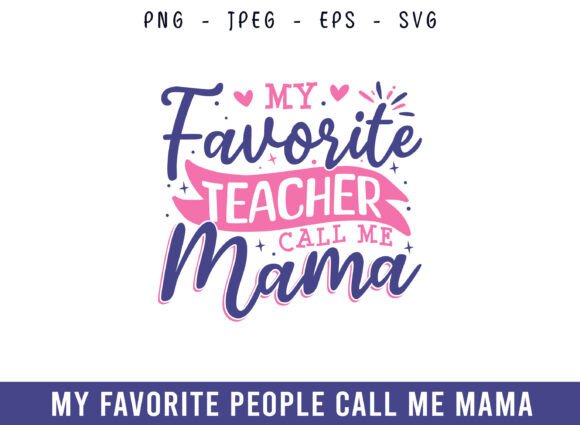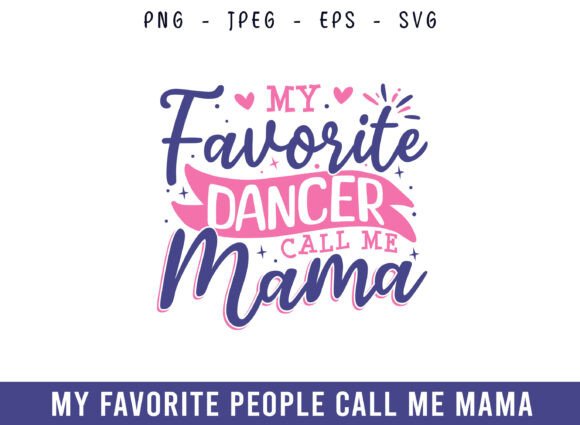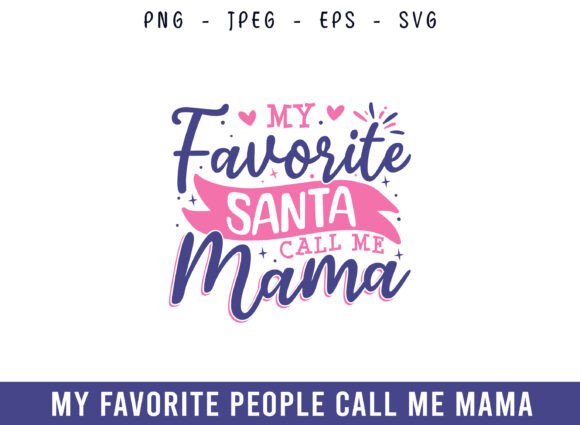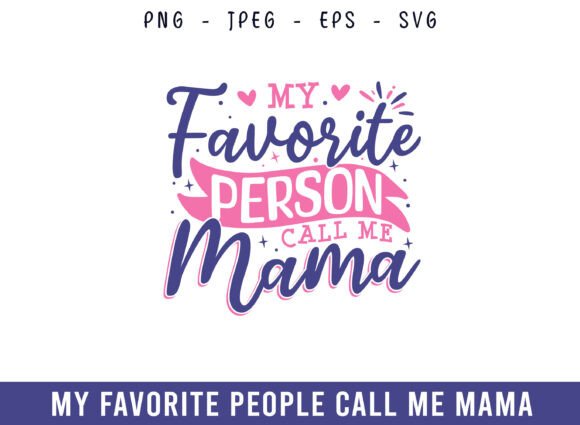
My Favorite Angel Call Me Mama Design
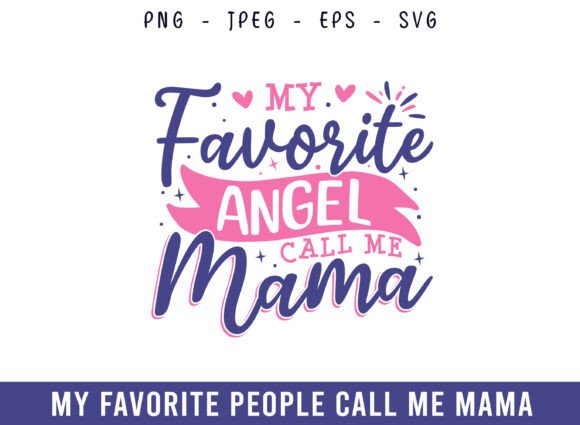
As someone who’s stitched hundreds of custom pieces—from boutique baby onesies to Etsy best-selling tote bags—I opened My Favorite Angel Call Me Mama Design expecting warmth, simplicity, and a quiet kind of reverence. What I found was exactly that: a tender, hand-drawn angel motif paired with soft, rounded lettering that says “Call Me Mama” in a way that feels personal, not performative. It’s not flashy. It doesn’t shout. But it holds space—gently—for motherhood as both sacred and everyday.
A Real Moment: Stitching This for a Nursery Gift
Last week, I used My Favorite Angel Call Me Mama Design to embroider a linen pillow cover for a friend’s baby shower. She’d asked for something meaningful but not overly religious—something that honored her role as a first-time mom without leaning into cliché. The design landed perfectly: the angel’s wings curve just enough to frame the text, and the lowercase “mama” feels intimate, like a whispered secret between parent and child. On the pillow, it read like a lullaby—not decoration, but intention.
What This Design Does Well (and Where It Fits Naturally)
My Favorite Angel Call Me Mama Design shines in projects where emotional resonance matters more than visual complexity. Its strength lies in its balance: delicate enough for baby embroidery on gauzy cotton, yet bold enough to hold up on midweight sweatshirt embroidery or a structured apron. Because it’s built from 100 vector shapes, resizing is predictable—no pixelation, no jagged edges when scaled down for a cap or up for a tea towel.
- Custom apparel: Works beautifully on crewneck sweatshirts, especially centered over the chest. The clean lines avoid the “crowded” look that plagues many Mom-themed designs.
- Personalized gifts: Ideal for nursery decor, keepsake blankets, or embroidered patches sewn onto handmade quilts. Customers consistently respond to its sincerity—not just the message, but the *tone* of the lettering and line weight.
- Craft business & Etsy listings: As a digital embroidery file, it’s versatile enough to bundle with coordinating designs (think tiny stars or cloud motifs), and its neutral aesthetic appeals across seasonal listings—Mother’s Day, baby showers, even Christmas stockings labeled “Mama’s Angel.”
- Printable mockups & digital previews: Because it’s vector-based, it converts cleanly to high-res PNGs for product mockups—no blurring at small sizes, no loss of clarity when placed over textured fabric backgrounds.
Where to Use It Thoughtfully
This isn’t a one-size-fits-all machine embroidery design—and that’s part of its honesty. Here’s where attention pays off:
- Small hoop sizes: The full phrase plus angel fits comfortably in a 4×4 hoop, but trimming the wings slightly may help if you’re pushing tight margins on caps or curved surfaces.
- Textured or stretchy fabric: On ribbed knit sweatshirts or jersey baby onesies, use medium-weight cutaway stabilizer. The design’s smooth curves don’t fight the fabric—they follow it, but only if the base is secure.
- Dark fabric & thread contrast: Since the SVG allows easy color change, test stitch samples in both light and dark thread on your target fabric. On black t-shirts, a soft ecru or pale gold thread reads warmer and more intentional than stark white.
- Frequent-wash items: For kitchen towels or baby bibs, double-check stitch density in the angel’s wingtips and inner curves—dense fill stitch can stiffen delicate areas over time. A light satin stitch outline helps define shape without bulk.
Design Integrity Meets Customer Trust
In my experience, buyers don’t just buy “Mom SVG” files—they buy *feeling*. And My Favorite Angel Call Me Mama Design delivers that feeling without overselling it. When stitched cleanly, it elevates a handmade product from “cute” to “cherished.” That shift matters: it increases perceived value, supports higher pricing for small shop products, and builds repeat trust—especially among customers who’ve been burned by clunky, over-digitized embroidery files before.
It also reinforces brand consistency for craft businesses. Whether you’re selling embroidered patches on Instagram or curating a cohesive Mother’s Day collection on Etsy, this design doesn’t compete with your voice—it deepens it. Its gentle scale and balanced negative space leave room for your own craftsmanship to breathe.
Practical Designer Notes Before You Stitch
Before cutting fabric or loading your hoop, take these steps:
- Test on scrap fabric—especially if using textured or lightweight material. Watch how the wings drape and whether the “mama” lettering stays legible at your intended size.
- Review thread color contrast in natural light. What looks soft on screen may disappear on oatmeal linen or heather grey.
- Check stitch density in the angel’s face and hands (if detailed) and along the outer curve of the wings. Overly dense fills can cause puckering on delicate cotton.
- Confirm hoop size compatibility with your machine—and whether you’ll need to split the design for curved applications like hats.
- Inspect small details in both black-and-white and color mockups. Some embroidery software renders fine lines differently than vector previews.
- Verify licensing terms before selling finished items or bundling the file commercially. As a Graphics asset, its usage rights directly impact your craft business compliance.
Ultimately, My Favorite Angel Call Me Mama Design earns its place not because it’s trend-driven, but because it’s *thoughtful*. It understands that embroidery isn’t just about what’s stitched—it’s about what’s felt when someone sees it, touches it, or receives it. For designers, sellers, and makers who value meaning alongside method, this is one of those rare design assets that works as hard as you do.