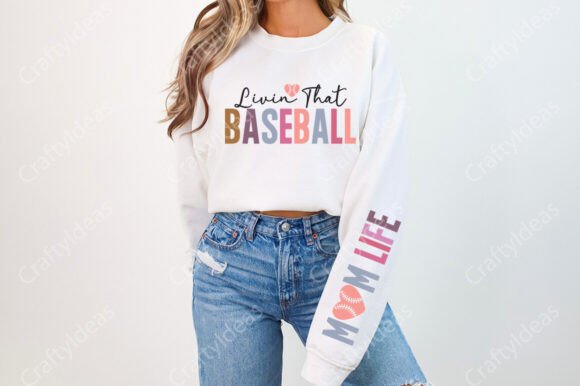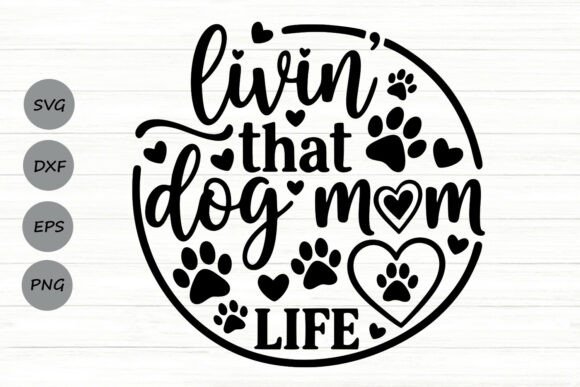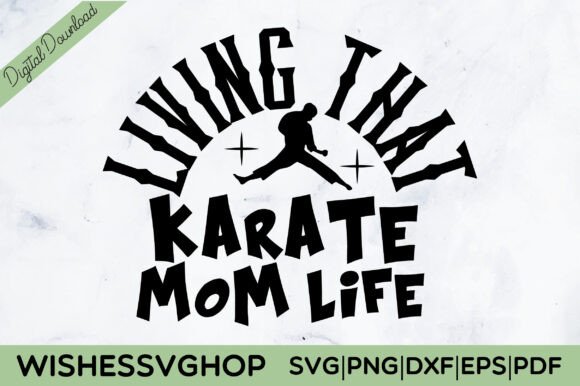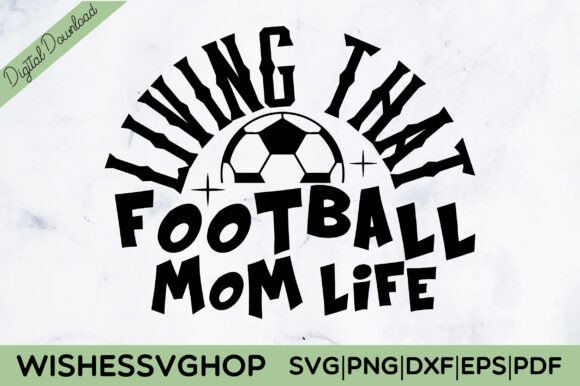
Livin That Homeschool Mom Life SVG PNG
As a designer who’s stitched over 300 custom embroidery projects—from boutique baby onesies to Etsy shop merchandise—I opened Livin That Homeschool Mom Life SVG PNG with one question: *Will this hold up in real life—not just on screen, but on fabric, under needle, and in a customer’s hands?*
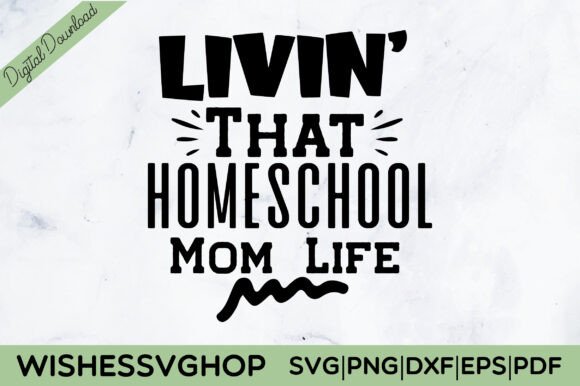
The first impression is warm, approachable, and intentionally unpolished—like handwritten chalkboard lettering with a soft, rounded script and subtle heart or apple motif (common in homeschool-themed graphics). It reads as joyful but grounded, not saccharine. That matters. A design like this isn’t meant for corporate branding—it’s made for the mom who hand-stitches her toddler’s backpack strap or embroiders “Our Little Learning Corner” onto a linen tea towel for a teacher friend.
I tested it as a tote bag design—a staple for craft fairs and small shop merchandise. Printed mockups looked cheerful, but the real test came when I loaded the SVG into my embroidery software and converted it to a machine embroidery design. Right away, I noticed the layout: compact width, moderate height, and generous letter spacing. That’s smart. Tight kerning would collapse under satin stitch; this breathes. The curves are smooth—not overly intricate—so it translates cleanly whether you’re stitching on cotton duck canvas or lightweight chambray.
Where it shines: custom apparel (especially sweatshirts and relaxed-fit tees), embroidered patches for co-op badges or homeschool co-op swag, and baby embroidery on burp cloths or bibs—provided the lettering is scaled appropriately. It also works well as a pillow cover design or kitchen towel monogram, where warmth and personality outweigh precision. As a holiday embroidery piece—say, stitched onto a linen stocking or gift tag—it adds sincerity without clutter.
But here’s where attention matters. This isn’t a one-size-fits-all embroidery file. On stretchy fabric like jersey or ribbed knit, the curves can distort unless stabilized properly—so double-layer tear-away + cut-away stabilizer is non-negotiable. On dark fabric, avoid light thread without testing contrast first; that gentle script fades fast on navy or charcoal without rich, saturated thread colors. And on curved surfaces like caps? Scale down. The original proportions work best on flat or gently contoured items—tote bags, aprons, pillow fronts—not structured headwear.
I also ran it through a few printable mockup variations—black background, white background, textured linen, and washed cotton—and confirmed something important: this design relies on clarity, not complexity. It doesn’t need shadow, outline, or fill effects to read. That’s a win for handmade product consistency. Whether you’re an Etsy seller listing five variations or a small shop product creator batching 20 holiday gifts, it stitches cleanly across machines and maintains legibility at 3.5–4.5 inches wide.
That said—don’t skip the fundamentals. Before stitching your first finished product:
- Test the design on scrap fabric first—same weight and weave as your final piece;
- Check thread color contrast on both light and dark backgrounds;
- Review stitch density in your software—if it looks overly dense in tight curves, adjust underlay or reduce fill angle;
- Confirm hoop size; this design fits comfortably in a 4x4 hoop at standard scale, but verify before hooping;
- Inspect small details like dot accents or heart endpoints—they’re charming, but vanish if scaled too small;
- Use proper stabilizer for your fabric type—especially critical for applique design layers or layered garments;
- Test it in black and white mockups to assess value balance before committing to thread;
- Confirm licensing before selling finished items or bundling as design assets—this is an Instant Download File, so review terms carefully;
- Compare light and dark fabric backgrounds in your digital preview—you’ll spot readability gaps early.
Visually, Livin That Homeschool Mom Life SVG PNG supports strong brand consistency for makers whose voice is nurturing, practical, and quietly proud—not performative. It builds customer trust because it feels handmade, not mass-produced. When stitched well, it elevates a plain tote into a personalized gift; a basic sweatshirt into a statement of identity. That emotional resonance is why it sells well on Etsy—not because it’s trendy, but because it’s recognizable and relatable.
It does less well as a standalone commercial embroidery centerpiece on high-end apparel or minimalist nursery decor. There’s no fine-line elegance or modern geometry here—it’s heartfelt, not haute. And while it’s lovely on baby embroidery, avoid placing it near seams or elastic hems where distortion risks legibility. Likewise, skip ultra-thin fabrics like voile or silk charmeuse unless you’re using water-soluble topping and ultra-fine needles.
For craft business owners, this is a solid mid-tier digital embroidery file—not groundbreaking, but dependable. It pairs well with simple botanical motifs, chalk-style borders, or neutral-toned applique shapes. As part of a themed bundle—“Homeschool Life Collection”—it anchors warmth and authenticity. Just remember: its strength lies in context. Alone on a stark white cap? It may feel slight. Paired with a hand-drawn apple icon and stitched on an oatmeal-colored tote? It lands with quiet confidence.
One last note: Because this is delivered as a zipped file folder containing one SVG file, be sure to unzip it first—no surprise missing files mid-project. And while SVG is ideal for vector editing and resizing, always convert thoughtfully to your machine’s native format (PES, DST, JEF, etc.) and run a final simulation. Not all converters handle script fonts equally well, especially with subtle flourishes.
In short: Livin That Homeschool Mom Life SVG PNG isn’t flashy—but it’s functional, friendly, and firmly rooted in real use. It’s the kind of embroidery project starter that earns repeat orders, not viral shares. For designers who value clarity over clutter, makers who stitch with intention, and creative entrepreneurs building meaningful inventory—not just inventory—this is a quietly capable addition to your Graphics library.