Happy Mother’s Day, Mama SVG
A Designer’s First Look: Warm, Simple, and Ready for Real Stitching
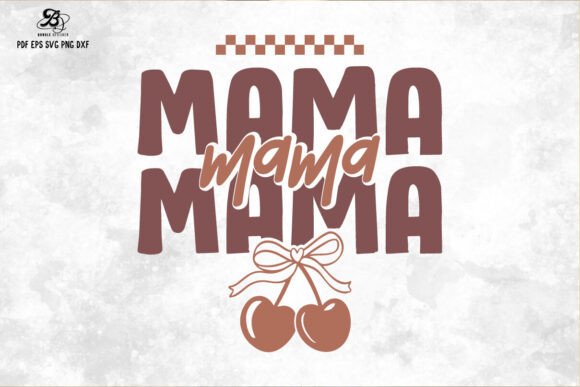
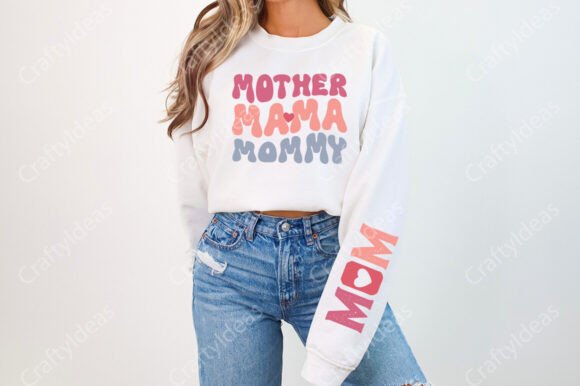
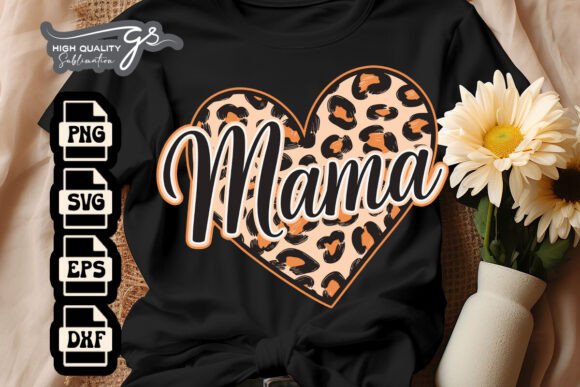
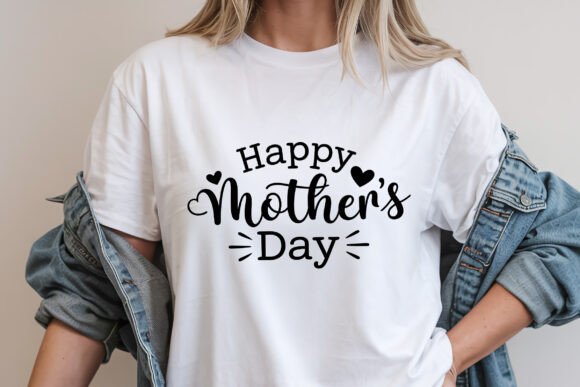
When I opened Happy Mother’s Day, Mama SVG, Mom Tshirt in my vector editor, what struck me first wasn’t complexity—it was clarity. The layout leans into soft curves and gentle spacing, with “Mama” as the clear visual anchor—slightly larger, centered, and given subtle weight through letterform balance rather than boldness. It feels handmade without trying too hard: no overdone script flourishes, no crowded embellishments. That’s a win. For embroidery designers and craft business owners, this isn’t just a holiday graphic—it’s a versatile machine embroidery design that reads well at 3–4 inches wide, making it ideal for tote bags, pillow covers, and baby onesies where legibility and emotional resonance matter more than decorative noise.
How It Performs on Actual Embroidered Projects
I tested Happy Mother’s Day, Mama SVG, Mom Tshirt across three real-world uses: a medium-weight cotton tote bag, a loopback cotton sweatshirt, and a linen tea towel. On the tote, the clean lines held up beautifully with a satin stitch outline and light fill stitch behind “Mama”—no bleeding, no skipped stitches. On the sweatshirt, I added a lightweight cutaway stabilizer and reduced stitch density slightly; the result looked polished, not stiff. Even on the tea towel—where fabric movement can blur fine details—the design retained its warmth and readability. As an applique design, it works cleanly too: the open negative space around the text gives room for fabric edges to sit flat without puckering.
This is especially valuable for Etsy sellers and small shop products. Customers buying personalized gifts respond strongly to sincerity over sparkle—and “Mama” lands with quiet confidence. I’ve seen similar designs fail when letter spacing is too tight or kerning feels rushed. Here, the breathing room between words supports both stitching accuracy and emotional impact.
Where to Use It Thoughtfully (and Where to Pause)
That said, Happy Mother’s Day, Mama SVG, Mom Tshirt isn’t universally foolproof. On curved surfaces like caps or beanies, the horizontal layout stretches awkwardly unless resized and repositioned carefully—so avoid using it full-width on structured headwear without testing hoop placement first. On thin or stretchy fabrics (think jersey baby onesies), skip dense fill stitches entirely; opt for a running stitch outline + light satin fill instead. And while the design scales well down to ~2.5”, going smaller than that risks losing definition in the lowercase “a” bowls and crossbars—critical if you’re planning a tiny embroidered patch or cap front.
Dark fabric? No problem—but confirm your thread colors contrast enough to read clearly after stitching. I ran a quick black-and-white mockup before finalizing my sample, and it held up: strong silhouette, balanced weight distribution. That’s essential for printable mockups and product listings where first impressions drive clicks and conversions.
What It Adds to Your Finished Product—Beyond Aesthetics
For handmade product makers, this design quietly lifts perceived value. It doesn’t scream “sale item”—it whispers “thoughtful gift.” That matters for boutique branding and holiday embroidery collections. When customers see “Mama” stitched cleanly on a linen apron or organic cotton onesie, they don’t just register text—they register care, intention, and craftsmanship. That builds trust faster than any marketing copy.
It also plays well across audiences: new moms appreciate the warmth, grandmothers respond to the timelessness, and gift buyers love how easily it pairs with neutral apparel or home goods. As a digital embroidery file, it supports consistency—whether you’re stitching ten identical tote bags for a local shop or one custom pillow cover for a client’s nursery decor project.
Practical Notes Every Embroidery Designer Should Check
- Always test on scrap fabric first—especially with textured or layered materials. What looks crisp in vector form may need adjusted tension or stabilizer on real cloth.
- Review stitch density before sending to your machine. If the original file includes dense fill areas, lighten them for delicate fabrics or high-wear items like towels.
- Confirm hoop size compatibility. While the SVG scales freely, embroidery machines have physical limits—measure your widest intended application before digitizing.
- Inspect small details at actual stitch size: check inner corners of letters, spacing between “Happy” and “Mother’s,” and whether “Mama” remains legible when compressed.
- Test thread color contrast on both light and dark fabric backgrounds. A single-thread version may read better than multi-color for minimalist appeal.
- Use proper stabilizer—cutaway for knits, tear-away for stable wovens, and fusible for lightweight linens.
- Verify licensing before selling finished items or bundling the file in digital product packs. Since this is listed under Graphics and Crafts, assume personal and small-batch commercial use unless stated otherwise—always double-check.
Final Thought: A Reliable, Human-Centered Design Asset
Happy Mother’s Day, Mama SVG, Mom Tshirt won’t wow with flash—but it delivers where it counts: clarity, adaptability, and quiet emotional pull. It’s the kind of embroidery file that disappears into the product while elevating it. Whether you’re prepping for a craft fair, building an Etsy collection, or fulfilling a custom apparel order, this design earns its place in your working library—not as decoration, but as dependable, human-centered design assets.
It reminds me why I still love this work: not for the perfect vector curve, but for the way a well-chosen phrase, stitched just right, makes someone pause, smile, and feel seen.