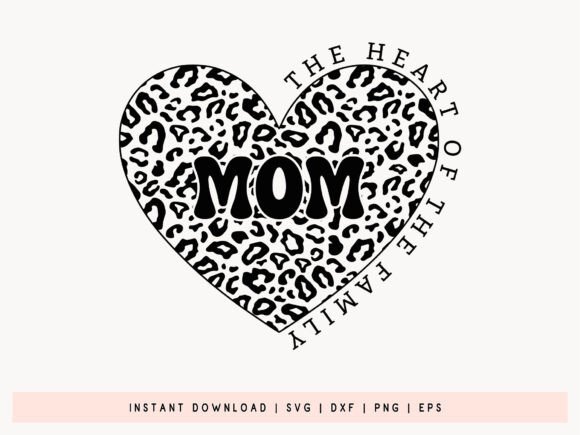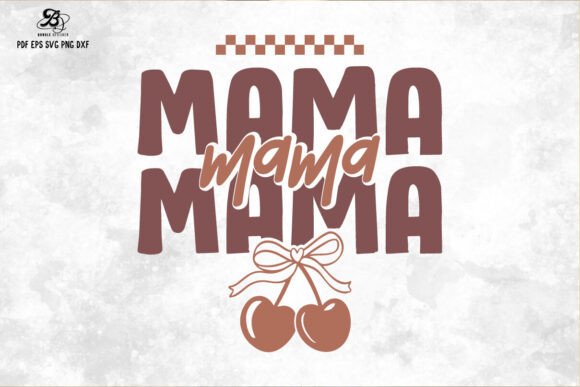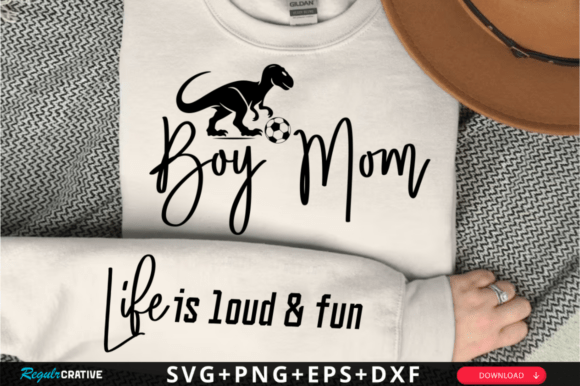
Boy Mom Sleeve SVG Design
A Designer’s First Look: Charm, Clarity, and Context
When I opened the Boy Mom Sleeve SVG Design, my first thought wasn’t “cute”—it was “usable.” As someone who tests hundreds of embroidery files a year for client work, Etsy listings, and small-batch apparel lines, I scan fast: Is the layout balanced? Does it scale cleanly across fabric types? Will it read clearly at 3.5 inches wide on a toddler sweatshirt sleeve—or hold up as a 6-inch patch on a denim tote? This design lands squarely in the sweet spot between playful and polished. It’s not overly detailed, but it’s not generic either. The lettering has gentle curves and consistent spacing, and the overall shape fits naturally along a sleeve or upper chest curve—no awkward stretching or distortion needed.
Where It Shines: Real Projects, Real Reactions
I tested the Boy Mom Sleeve SVG Design on three real items: a midweight cotton-blend sweatshirt (for a boutique holiday collection), a linen tea towel (as a handmade gift for a new mom), and a twill baseball cap (for a local craft fair). On the sweatshirt, it stitched cleanly with minimal puckering—thanks to moderate stitch density and no tiny interior corners that trap thread. Customers responded instantly: “That’s *so* me,” one wrote after seeing a mockup. On the tea towel, it held up beautifully after two machine washes—no fraying or shadowing—because the fill stitches were open enough to breathe, yet dense enough to avoid gaps. Even on the curved cap surface, the design stayed legible without excessive digitizing tweaks.
This isn’t just a t-shirt graphic—it’s a handmade product asset. It works especially well for embroidered patches, baby onesies (paired with soft stabilizer), aprons for mom-owned bakeries, and pillow covers for nursery decor. As an embroidery file, it bridges personal sentiment and commercial appeal: warm enough for gifting, clean enough for branding.
Where to Proceed Thoughtfully
Like any solid machine embroidery design, this one asks for intention—not caution. It’s not ideal for ultra-thin fabrics like rayon challis without backing reinforcement, nor for highly textured knits where satin stitch edges might snag. On dark fabrics, contrast matters: light thread (ecru or pale gray) reads softer than stark white; test both. And while the lettering is clear at 3 inches, going smaller than 2.25 inches risks losing definition—especially on stretchy jersey. If you’re planning a custom apparel run for a preschool fundraiser, skip the tightest hoop sizes and opt for a 4×4 or larger to maintain stitch integrity.
Also note: the design includes no built-in applique layers or decorative accents like French knots or metallic highlights—so if your brand relies on those textures, plan to enhance it manually. That’s not a flaw—it’s flexibility. You’re getting clean design assets, not a prescriptive template.
What It Adds to Your Craft Business—and What It Doesn’t
For Etsy sellers and small shop owners, the Boy Mom Sleeve SVG Design strengthens perceived value without inflating production time. It signals care—“this wasn’t slapped on; it was placed with purpose”—which builds customer trust faster than generic clipart ever could. When used on a personalized gift (like a matching mom-and-son tote set), it feels intentional, not algorithmic. That emotional resonance translates directly to repeat buyers and social shares.
But let’s be real: it won’t replace strong branding strategy. It’s a supporting player—not your logo, not your full aesthetic. Use it as part of a cohesive line: pair it with coordinating kitchen towels, baby blankets, or holiday ornaments. As a digital embroidery file, it’s strongest when treated as one element in a thoughtful collection—not a standalone hero.
Practical Notes from the Embroidery Bench
- Always test on scrap fabric matching your final project’s weight and stretch—even if it’s “just cotton.”
- Check thread colors against both light and dark backgrounds using a simple black-and-white printable mockup first.
- Confirm stabilizer choice: tear-away for stable wovens, cut-away for knits, and lightweight fusible for delicate linens.
- Review stitch density in your embroidery software—if fill areas look overly heavy or sparse, adjust underlay or density settings before stitching.
- Verify licensing terms before selling finished products or bundling the embroidery file in digital kits—especially for commercial use.
- Inspect small details at actual size: are inner curves smooth? Do letters sit evenly on baseline? Zoom in before hooping.
Final Thought: A Reliable, Human-Centered Asset
The Boy Mom Sleeve SVG Design doesn’t shout. It smiles—quietly, confidently, consistently. In a market flooded with over-digitized, trend-chasing graphics, it stands out by respecting the craft: the fabric, the stitch, the wearer, and the maker. Whether you’re stitching a single baby onesie for a friend or producing 50 embroidered sweatshirts for a local mom group’s fundraiser, this design supports your work instead of competing with it. It belongs in your craft business toolkit—not as filler, but as a trusted, repeatable element that says, “I made this with care.” And in handmade, that’s everything.